This type of blister has lost the protective skin covering and it is now classified as an open wound
These blisters are often painful and can be susceptible to secondary bacterial infections, it is very important that they are protected with a dressing.
Island dressings are totally adequate for this purpose as they are sterile and will stop an infection from starting, which is fine if you are no longer participating in an activity.
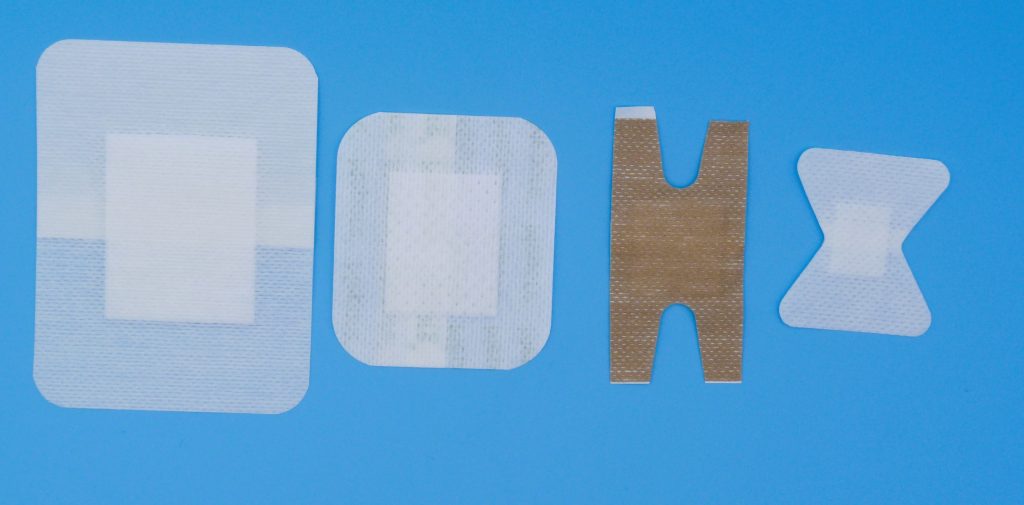
However, if you are in the middle of an event or a walk, eg, Camino or Coast to Coast and you are “on the move”, then this stage of blister needs a hydrocolloid dressing/plaster.
What is a medical Hydrocolloid dressing?
They are an opaque/transparent sterile, self-adhesive wound dressing that consists of a thin absorbent wound contact area of hydrocolloid.
The active surface of the dressing is coated with gelatin, pectin and carboxymethyl cellulose alongside polymers, these absorb the fluid generated by the blister. The moist conditions provided from the hydrocolloid dressing is ideal for promoting quicker wound healing.
They also have a analgesic effect on the wound, helping reduce the pain of the blister

How long can a hydrocolloid dressing stay on the skin for?
The recommended time on the wound is from the manufacturers and is approximately 5-7 days but some wounds will produce more fluid than others and the dressing may need redressing more frequently, but most blisters, they will be fine to leave on for a week. We have had some patients leave them on for up to 8 weeks and they have been ok, but we always defer to the manufacturer’s recommendations. On occasions there can be a white area in the centre of the dressing showing after a few days, and this is totally normal.
Why are medical hydrocolloid dressings so much more expensive than over the counter blister plasters?
The answer is simple, medical hydrocolloid plasters/dressings are sterile and packaged individually, they are also classified as a medical device. Hydrocolloid dressings are specifically designed for accelerated healing of open wounds, which is why we have been using them professionally in clinic for over 30 years. Open wounds require sterile dressings to remain infection free, as a podiatrist we cannot apply a NON- STERILE hydrocolloid to a blister with its roof off.

There are so many types and sizes of Hydrocolloid plasters, which is the right one for me?
Hydrocolloid dressing come in all sorts of sizes and shapes, however, all of them treat open wounds/ blisters. Choosing the correct size for your blister is most important as it should cover the blister and a good section of the surrounding skin to attach onto. The larger blisters need a bigger hydrocolloid especially when located on the front of the shin or top of the foot, whereas the toes and side of the foot favour the smaller dressings. They can be cut to size with sterile scissors, which we provide in all our blister kits.
We have enclosed the larger hydrocolloid dressing in the Blister treatment kits but we also have the smaller hydrocolloid plasters for sale on the shop and these are great for toes and awkward areas of the foot and also in the emergency treatment kits.
How do I apply a Hydrocolloid dressing?
- Wash your hands or wear gloves
- Clean the wound and surrounding skin, preferably with saline swabs from one of our blister kits
- Remove the dressing from the pouch
- Holding the white backing paper in one hand and slowly remove the dressing off the backing paper, keeping the small with the blue arrows on the dressing as this is removed later. Do not touch the exposed adhesive part of the dressing.
- Place the dressing over the wound, keeping the edges as flat and smooth to the skin as possible
- With half the dressing in place proceed to remove the remaining plastic tab from the dressing
- With the second plastic tab (with the arrows) removed, secure the remaining dressing on the skin and smooth the whole dressing in place to ensure all the dressing is in contact with the skin around the blister.
- We like to secure the plaster in place with hypafix as this then ensures the dressing stays on for a longer period, which is better when participating in an activity
When would I NOT use a Hydrocolloid dressing?
- If the wound has a bacterial infection already present
- If the blister is intact with the skin on top of it, (bubble blister) as the hydrocolloid dressing will pull the skin off when removing the dressing
About The Author
I’m Lindsey Ebbs, a podiatrist with more than three decades of clinical experience and a passion for working in the world’s toughest endurance events.