Intimate chafing is a topic few are willing to discuss openly, which is precisely why this blog exists. Almost every runner has experienced chafing—some more frequently than others—but fortunately, this issue is largely preventable. If chafing is a concern, especially with an upcoming ultra event, read on to learn how to avoid problems before they start.

Don’t be embarrassed to talk about chafing: it’s more common than you think. My youngest son informed me that chafing in the bum crack is often called “chef’s arse,” since kitchen environments are typically hot and humid—much like an ultramarathon, except chefs face the discomfort daily at work.
About Me

I am an MSK expedition podiatrist specialising in blister prevention and treatment. I have served on medical teams at the Marathon des Sables (MDS), Fire and Ice Ultra, London Marathon, and the Great North Run. My experience includes diagnosing fractures, compartment syndrome, torn tendons and treating infections, sprains, pressure sores, and a wide range of blisters and advanced chafing cases common at these events. In April 2025, I supported a group of runners at MDS and successfully prevented many of these issues.
Sharing my professional experiences and advice to help future participants avoid mistakes and achieve positive outcomes at ultra events, is what I hope to achieve now.
What is Chafing?
Chafing is prolonged rubbing of skin against skin, resulting in micro-abrasions. This can quickly develop into a painful rash. Chafed skin may appear red, swollen, inflamed, bruised, and can sting or burn; severe cases may bleed due to friction burns. For one-day events, chafing is problematic—but in multi-day races, it can be catastrophic, making several subsequent days almost unbearable.
Common Sites of Intimate Chafing
Chafing frequently occurs in areas where skin or clothing rub during movement:
- Inner thighs
- Groin
- Elasticated underwear sites
- Backpack contact points
- Testicles
- Buttock crease (“bum crack”)
- Underarms
- Breasts (including at bra contact points and nipples)
- Labia
Essentially, any area where skin contacts skin or tight clothing is at risk.
Causes of Chafing
Chafing results from friction—either skin-on-skin, or skin-on-ill-fitting clothing. Non-moisture-wicking clothing prevents sweat from evaporating, leaving skin damp and increasing friction. Hot, humid environments heighten the risk, as high humidity keeps skin moist, creating the drag that leads to chaffing.
Chafing Challenges in Desert Ultras
Desert ultras like the Marathon des Sables present extra challenges. There is often no access to running water to clean affected areas or reapply protective products. High temperatures, wind, and blown sand further aggravate sensitive skin. As body temperature rises, so does sweating, and many anti-chafing products can melt or become sticky, worsening skin problems.
Key Tip: Choose Products for Extreme Conditions

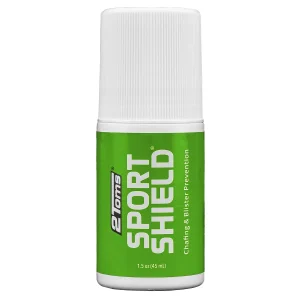
Products such as 2Toms ButtShield, SportsShield, and SportsShield Extra are unique in their formula, they don’t melt, clog or rub off, they require detergent for removal, making them suitable for desert ultras. For these events, I recommend single-use wipes over rollerball applicators to reduce cross-infection risks.
Application order for wipes:
- Cleanest areas first (breasts, nipples, underarms, thighs)
- Progress to groin, testicles/labia
- Buttock crease (bum crack) last
Dispose of each wipe after use, and ideally, wear a disposable glove to avoid product residue on the hands. Avoid rollerballs in extreme, multiday environments, as they can accumulate microbes and contaminate the product.
Rollerball applicators remain excellent for swimming, wetsuit, or daily use when cleanliness can be maintained. In multiday or desert events, “horses for courses” applies—adapt your strategy to your scenario.
All 2Toms Blistershield products are effective for desert conditions, but daily applications are required and may be needed more frequently under challenging circumstances. The Sportshield Extra (“Red”—formerly “for her”) adds shea butter to soothe and moisturize skin, which is the only addition to the original sportshield(“Green”) version. Buttshield (“Orange”) is formulated for both friction and pressure, especially while cycling, making it a good choice for triathletes.


Clothing Matters
“Step One” underwear is an example of well-designed, moisture-wicking kit with anti-chafing panels on the inner thigh. Both men’s and women’s versions have worked very well for preventing thigh, groin, and testicle chafing in the desert. They also do bras for ladies now.
If Chafing Occurs
If chafing prevention has not been implemented, and chafing develops, the following products can help soothe affected skin:
- Flamazine
- Flaminal
- Biafine
Final Thoughts
Don’t wait for problems to arise. Proactive prevention is essential in desert environments, where every small issue can be magnified by heat, dryness, and prolonged effort. The more problems you can eliminate before starting, the more likely you’ll cross the finish line successfully and comfortably.
Blisterhelp Marathon Des Sables Pilot Studies
About The Author
I’m Lindsey Ebbs, a podiatrist with more than three decades of clinical experience and a passion for working in the world’s toughest endurance events.