Have you ever had a toenail fall off after an event or a long day out hiking? You may not have seen it but it’s probably caused by a blister. Blisters form underneath the toenail and this causes the nail to detach. It can take months for the nail to completely fall off, which is frustrating and painful.
It is difficult to advise what to do in all situations, and if you are concerned then you should book and online consultation with us or see your local podiatrist.
Here’s a bit of biology to help you understand the toe. There are two nail beds in each toenail- an injury to one will affect the other. Each toe has lots of nerves within it which is why any injury hurts so much. These nerves are there to protect you as much as possible.

Why an under the nail blister forms
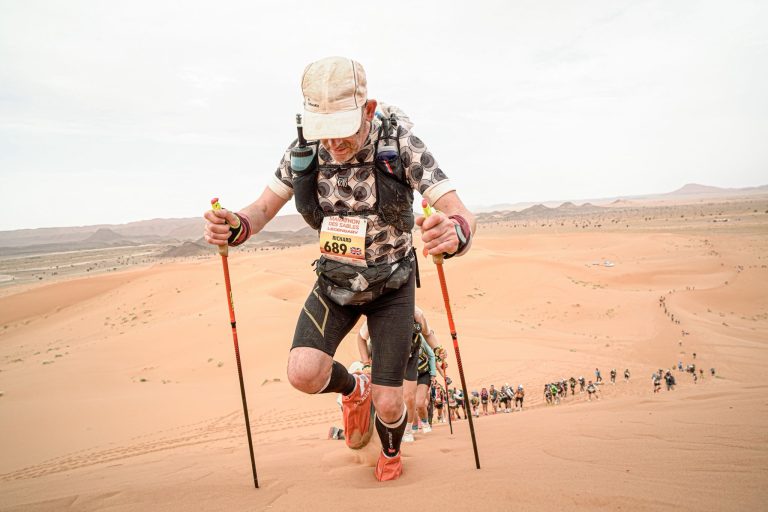
There are 2 main reasons: sudden trauma or repetitive trauma. The impact of a sudden trauma like dropping something on your toe, a can of beans or hammer for example, can lead to a blister and then your toenail turning black and falling off. Repetitive trauma is common for runners, hikers and sports players, your shoes, trainers or boots do not fit perfectly and your foot moves within the shoe. If your shoe is even the slightest bit too small then your toenail jabs against the front of your shoe on every step. If you multiply this jabbing by 20,000 steps (on a good day out walking) that’s a lot of tiny traumas which damages the nail bed. This can also happen if the fabric of your shoe isn’t supportive enough, the current trend towards shoes made of stretchy, cushioned material means this can allow movement which can lead to increased likelihood of blisters, whether under the nail or elsewhere. Read our webpage for advice on choosing footwear. An underused technique of stopping this blister-causing movement is to lock your laces- find out more about that on our webpage.
How to treat your toenail
If you are now at home
If you’ve got home from a long day of hiking, finished a marathon or just got off the pitch and you realise you’ve done some damage to your toes. Make up a salt-water bath for your feet. The salt will draw out the liquid from the blister by osmosis, which will relieve the pressure. A top tip if you have regular blister problems is to buy a pair of recovery footwear. During an event your feet can increase in size. Having a pair of shoes a size larger will provide some relief for your journey home.
If you toenail is still predominantly attached then leave it on, you don’t want an open wound I this can be avoided. If the toenail is coming off, then a sensible plan is to remove the toenail so that the healing process can start afresh.
If you are out
It is the pressure from the blister which causes the most pain, hopefully you have a Blisterkit with you full of all the sterile equipment you require. You should use the scalpel to pop the blister, video on this webpage . Follow the video showing you how to apply a dressing to reduce the pressure on the toe. If the toenail has come off or you need to remove it, make sure you are using sterile equipment as that will dramatically reduce the infection risk.
Longer term you need to keep an eye on your toe. A new nail or the new section of nail can grow back with jagged edges. This can lead to ingrown toenails, and then infections. Please see your local podiatrist if you are concerned about any foot problem.
About The Author
I’m Lindsey Ebbs, a podiatrist with more than three decades of clinical experience and a passion for working in the world’s toughest endurance events.