Love leaving the working week behind you to spend the weekend in your idea of heaven? 48 hours dedicated to adventures, pushing yourself and winning medals.
The question is:
Just how many medal racks do you now have on your wall?
If you are someone that is prone to blisters then we have so many prevention techniques and products to reduce the causes of a blister. These causes are pressure, movement and moisture. There are simple things we can use to reduce the likelihood of blisters, such as lace locking, good footwear choices, and skincare routines. We stock socks like Armaskin which removed all of those conditions with their (Si) polymer friction coating.

Some people do not feel a blister developing at all, hot spots are the first stage and if you can recognise the feelings of a hot spot it’s worth pausing to dress it. This will save you a couple of weeks of blister discomfort. Find out how to treat a hot spot here.
When you have made it to the end of the event, collapsed in a heap, to then find out your foot is mainly one large blister! Now you have a problem, it’s still not the end of the day when you have some equipment and our advice. It’s vital to identify the type of blister you have to ensure you are treating it correctly. You will want to get treatment and healing started as soon as possible if you have another event coming up soon.
The adventure race style events regularly include water-based obstacles which obviously increase the chances of a blister forming. Fast transitions are key if you’re a triathlete, this does mean a fast shoe change. If you are going for a fast time, you might not even wear socks, and if you do, you won’t be pulling them up properly and checking the fit prior to running or cycling for miles. The chances of friction happening in all the wrong place is pretty high. A nasty blister that causes you to hobble will incur a dramatically longer race time or result in a non- finish, which is why we are so passionate about educating in blister prevention.

Mondays are for recovery, resting, re-energising ready for the next adventure. Good luck with your next event, fingers crossed for no blisters, but you know where we are if you need us.
About The Author
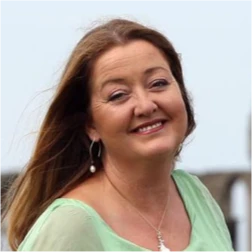
I’m Lindsey Ebbs, a podiatrist with more than three decades of clinical experience and a passion for working in the world’s toughest endurance events.