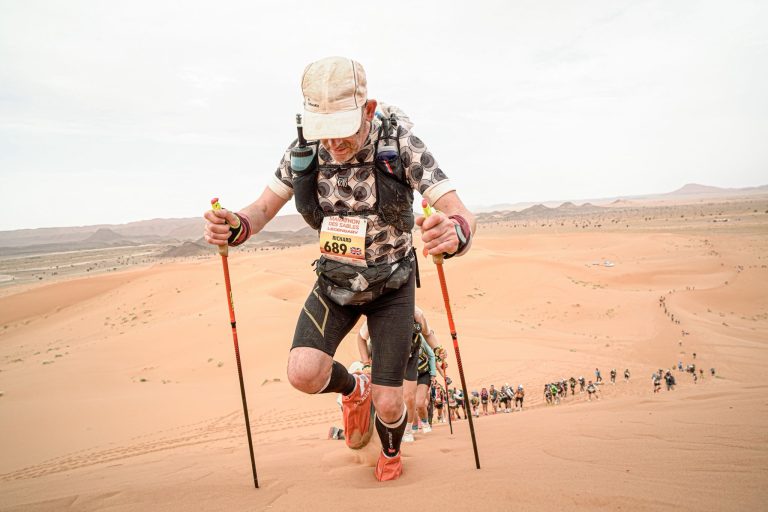
I am often asked this question, and especially after recently speaking at the Marathon des Sables Expo in London.
This blog is written to help clear up any confusion regarding whether you should harden or soften the skin on your feet before an major running event in the desert.

The question you really should be asking is:
How do I prepare the skin on my feet for a major running event?
I was a podiatrist at the MDS legendary this year, and I know what runners’ feet will look like after challenging themselves to that extreme event in the desert. I want to try and reduce the (high 78%) numbers of blistered feet arriving in the medical tent, preferably before the next legendary event in April 2025
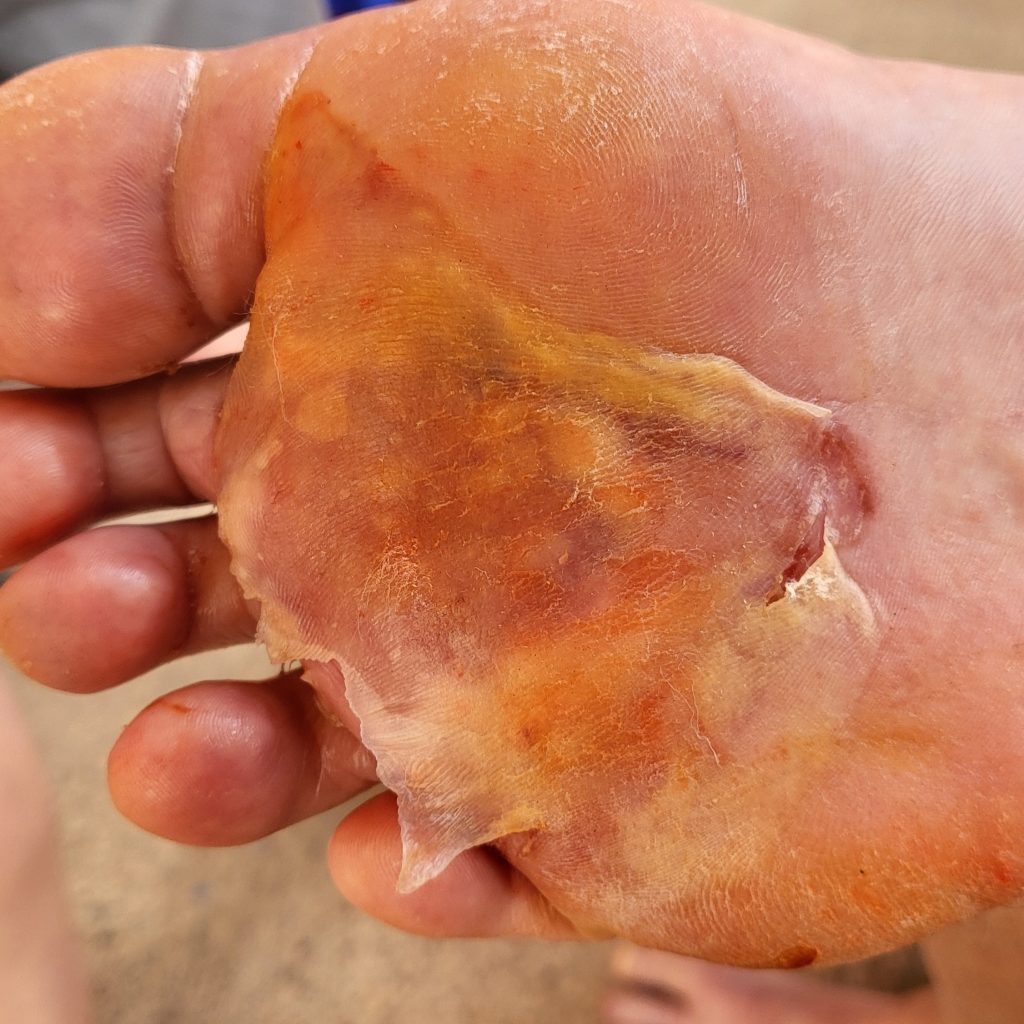
Going back to basics on what causes blisters, they are multifactorial in cause, and the reasons are listed below
- Friction
- Pressure
- Moisture
- Bone and soft tissue movement
- Lack of conditioning
- Indirectly by heat, which causes excess sweat, creating moisture next to the skin
When you rule out friction, pressure, moisture, soft tissue, and bone movement, (as shown in the blog I wrote about earlier this year. Link ⬇️) you are left with skin conditioning, which is one of the major contributors to blisters, and it needs to be better understood.
In the musculoskeletal (MSK) world , there is a term regularly used for muscle and tendon injuries referred to as `Capacity and Load.` The injury is caused by the increase load on the tendon/muscles that don’t have enough capacity to cope with that load, more commonly known as a overuse injury. This same principle can also be appleid to the skin and why blisters present after a run.
A blister is caused by the “load” exceeding the skin’s “capacity” to take that load!
Load applied to the skin can be thought of as body weight, backpack weight, distance, pace, stride length, footwear, body positioning, mechanical issues, peak pressure loads, and terrain. All these factors increase the “load” on the skin during an activity.
The skin’s “capacity” to take this load may be lacking and consequently, if the load is too high for the skin’s capacity, it will blister. So, when searching for the one magic cream, potion, or lotion to solve blisters, it will not be there.
When you recognise all the above factors that increase the “load” on the skin, then no product will solve that problem by itself.
The secret is finding the right solution for you. Each runner is unique, and so is your skins capacity to take the load you will apply to it.
My reasoning for writing these blogs is to help you see yourself as an individual, and recognise what you can do for yourself in preparation of solving your blister problem, as your skin issues will be different from others.
The skin is the largest organ in the body, and it does a great job as a barrier, protector, and regulator. However, it is mainly taken for granted and poorly understood. Please consider your skin on the same level as your tendons and muscles, as without it, you would be in serious trouble.
The skin is a resilient structure and usually responds well to the forces put upon it daily. However, if a curveball is thrown at it, it may falter, as it wasn’t prepared for the surprise.
The curveball I speak of, may be a set of circumstances that surprise the skin. It may be desert running, attempting a marathon for the first time, climbing a mountain, or outdoor swimming in a wetsuit. These events are not part of your daily activities, and it is challenging for the skin to recognise these new forces that it hasn’t experienced before, and that’s when it usually blisters.
So, before applying surgical spirit, compound tincture of benzoin, or any products, ` you must ask yourself, “How will this product prepare my skin for a desert run and prevent blisters?”
The answer is clear… they won’t be able to do it by themselves, as they don’t represent the factors I have listed above that increase the load on the skin, nor can they increase the capacity of the skin…to take that load by themselves either.
Considering a layered blister prevention approach will have a more successful outcome.
Once you start questioning your purchasing choices and what they will do for you, you will already be well on your way to preventing blisters on your feet.
My advice on conditioning the skin and changing the load/ capacity ratio, are as follows

1) Train the skin to expect any unexpected surprises
Look at your training program for the event you plan to do, and does the timeline fit in terms of having enough time to train? If you are running in the desert, like the MDS legendary, then find some hills to run up and down as the terrain will have many ascents and descents; this prepares the skin for that job. Your stride length will also differ from road/ treadmill running. Train on beaches regularly, as sand will be everywhere in the desert, which can be much harder work and more challenging for the lower limbs. Use heat chambers to get your body acclimatised and run with heavier clothes and a weighted backpack to replicate the heat and conditions the desert will bring. Walk everywhere, to work, shops, the gym, your dogs or others, use the stairs rather than a lift, because a lot of the time, when you’re in the desert, you will actually be walking, not running, factor walking into your everyday life as it is very different to running. These changes will help the skin on the feet recognise the challenges ahead. Ultimately, it is increasing its capacity to take the more significant load that the desert will present

2) Increasing the load to the skin on a gradually basis
Start with minor changes, allowing the skin to adjust to the increase of force being applied; once you feel more confident, then increase those changes for longer and more frequently. As you can imagine, your skin’s “capacity” is like a staircase; you are slowly going up the stairs, one step at a time, and then when you do get to the top, the skin will have fully adjusted to what you are expecting it to do. Don’t forget it is the same principle in the prevention of muscle and tendon injuries; we are just preparing the skin so it doesn’t injure(blister)
3) Improving the skin integrity on the feet before an event
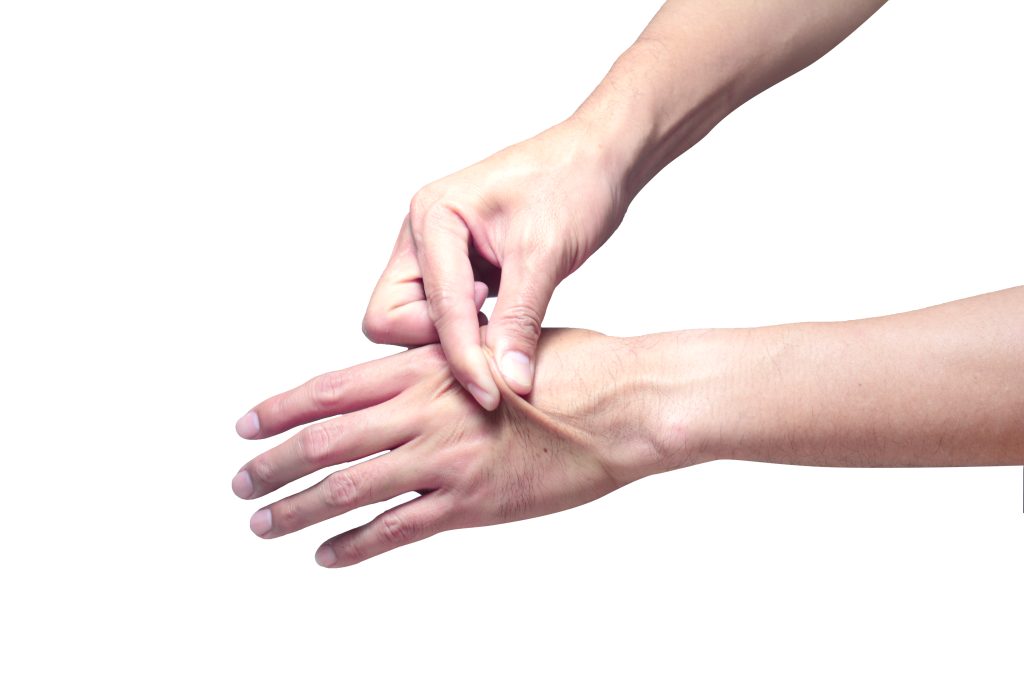
I prefer the skin to be free of calluses and corns before an event, as hard skin doesn’t flex or move like elastic skin. The skin should be supple, elastic, flexible, hydrated, and in optimum condition before any race. This way, the skin will flex and resist the extreme forces applied to it when running in the desert.
Dry/cracked or wet/ macerated skin will not operate optimally and will falter more as it is not at its peak performance. There are plenty of creams on the market that work as an emollient to the skin, but for me, I like “Footmender” This cream only needs to be applied every day for 10 days and then once or twice a week therein after, so if you are lazy, like me in applying cream, then this is the one for you! It may seem more expensive than other creams, but you don’t need much of it, and because the applications are less…it lasts longer

4) Tell the skin what you want it to do
Start thinking about what your event will look like and consider how your skin will deal with that challenge. What changes have you implemented so the skin can recognise what it has to do? Simply put, the skin works well under direction; you must tell it what is going to happen to it.

5) How weight (Force downwards) influences the skin on the feet
If you are carrying extra body weight or a heavy backpack, aim to reduce both weights before you start an event; body weight increases the forces/load going through the body and, ultimately, through the feet. Having seen it in the MDS legendary, I remember how backpack weight can make a massive difference to foot blisters, but also on the back where the backpack was too heavy against the lower back and shoulders. Training with a backpack, precisely the same weight as you plan to carry, is essential to help the skin recognise that it is going to be expected because then you have factored in the other variables that running in the desert will inevitably bring, like the extreme heat which causes sweating and ultimately blisters. Recognising the forces and reducing them going through the body and ultimately the feet, will make a massive difference to the outcome.

6) Stride length changes and how it affects the skin
Cadence/stride length will change in different terrains, which can cause blisters; if the skin hasn’t been used to a change in stride length in training, the skin will not be conditioned to that change. You will definitely be walking more in the desert, so running/walking is something you should do more of before the event, alongside changing the stride length up and down. This way, you are conditioning and preparing the skin for that eventuality. Beach running should also prepare you as stride length differs from road running.
7) Sweating and what happens to the skin
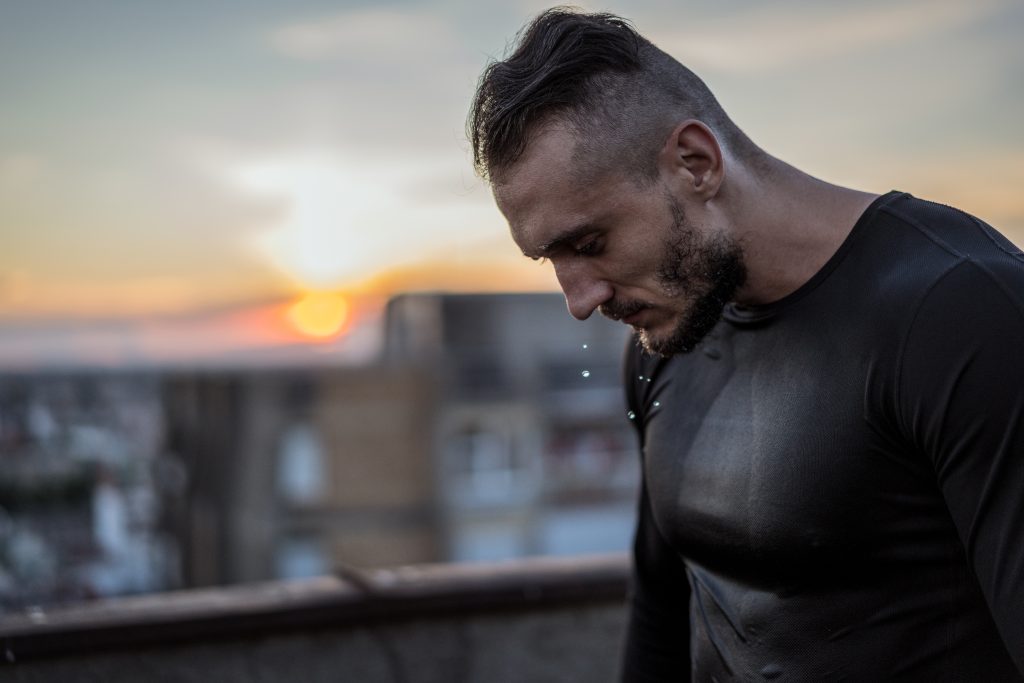
Sweating in a hot climate will increase dramatically, which is a challenge for the skin itself, so when you sweat more, the foot becomes wet and macerated. Consequently, any water next to the skin will generate blisters. So, it would be best to find socks that wick that sweat away from the skin and keep it dry. The heat in the desert will challenge the skin, and sadly, the weather in the UK doesn’t replicate those circumstances, but heat chambers do, and it is worth going to one and seeing how you manage. Coolmax and merino wool are the best materials that wick the seat away from the skin
8) Pressure on the skin and how it causes blisters
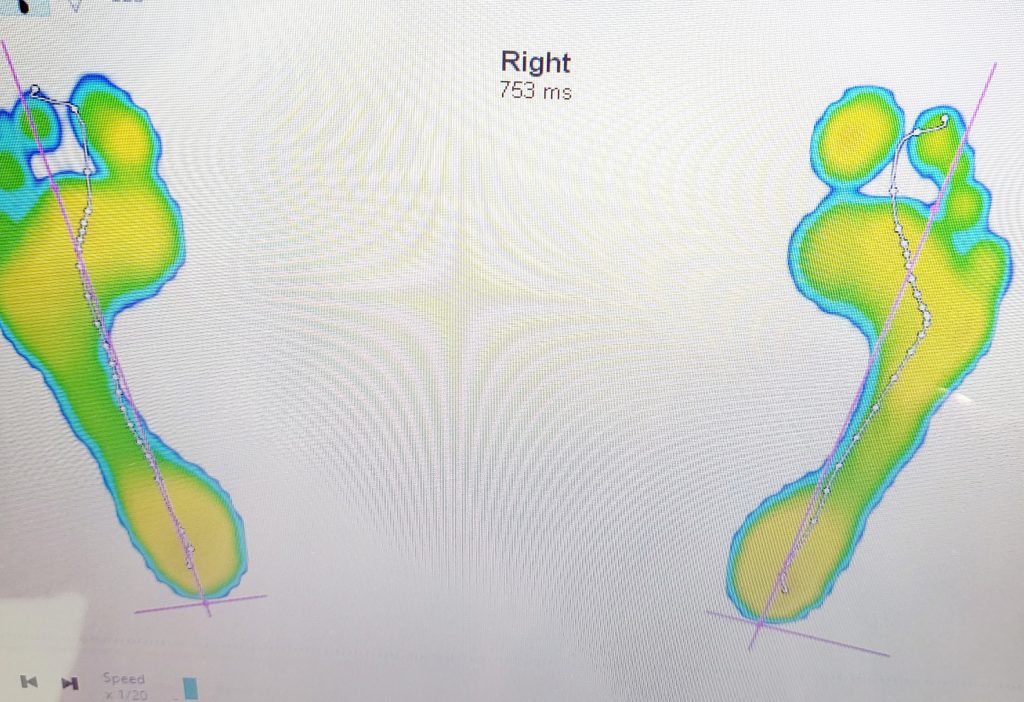
Peak pressure loads on the feet: I have written about this in the previous blog linked above. This is more about the mechanics of the foot and leg affecting the forces applied to the skin and the effect it can have on the skin. Body positioning can change the mechanics of the lower limb, especially when running up and down hills. The skin on the forefoot ( balls of the feet)will take more load and inevitably will blister, especially if you are not conditioned to do that action.
Prepare the skin by running up and down many hills ,as this will condition your feet for the ascents and descents the desert will bring. If you don’t have them in your locale, travel to challenge the skin in this way. Day 2 stage of the MDS legendary brought more blisters under the balls of the feet than any other day, due to the hilly terrain. It’s not great when you have another 4 running days to go!
9) How footwear affects the skin
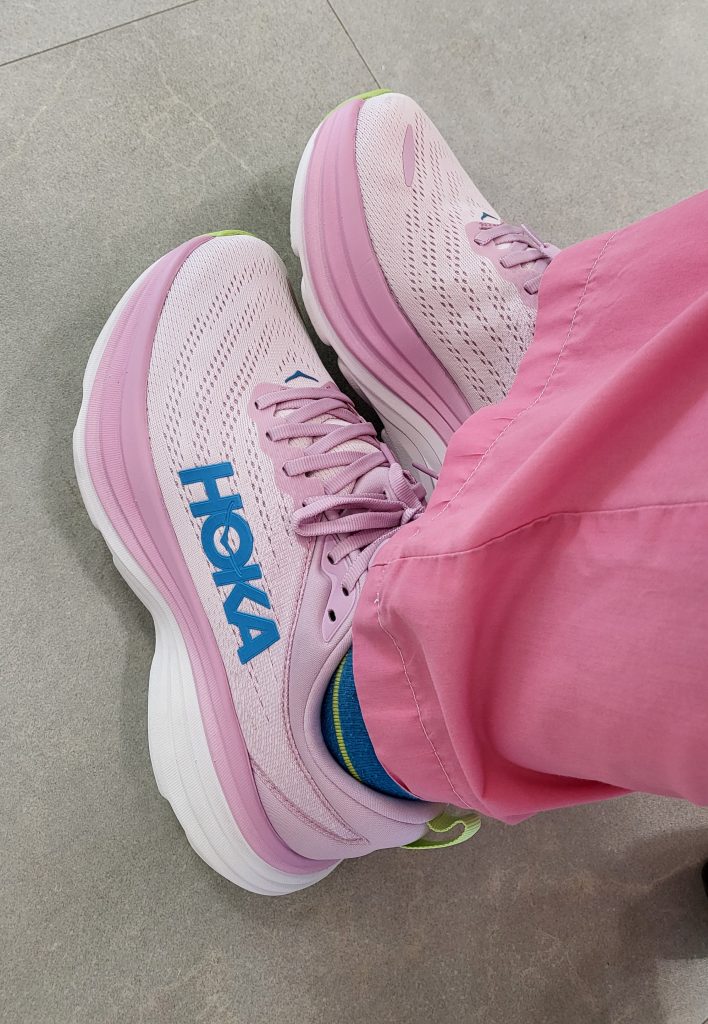
Footwear is also a consideration when conditioning the skin on the feet .Use the same pair of trainers and duplicate them by wearing them side by side for training and then taking one of the pairs with you. This way, the feet will get used to what you will be running in, at the event. Please don’t take a new pair with you, even if they are the same make and size. They will always be slightly different.

10)How running pace can affect the skin
Pace when running is essential to replicate before an event, every runner has their own pace, and it is vital to recognise what your own pace is when training. Then, the skin adjusts to that pace over time. If you then run at the event at a different pace, trying to keep up with another runner’s pace, then the skin will falter as it won’t have adjusted to that change in force that has been applied to it, ultimately causing blisters
11) How running distance affects the skin
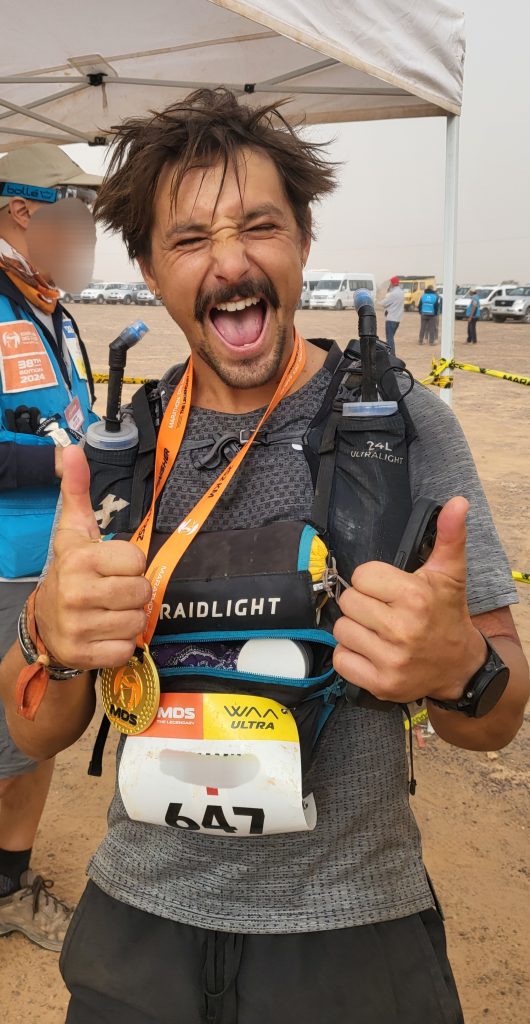
The running distance must be achieved in training before your event; this is vital for the skin to prepare for the distance it is expected to do. Don’t just do it once, either; it has to be many times. Just looking at those runners who don’t seem to get blisters will be the primary reason……distance covered in training, before running any event, especially like the Marathon des Sables, which covers high distances every day for 6 days. The skin on the feet has to know this and achieve it many times. This goes for the backpack blisters, too; wear a weighted backpack everywhere you go; whether you go to work, shopping, or walking the dogs, the skin will adjust to that weight.
Hopefully, this has given you some insight into how you can prepare your own skin for the event you have planned, and it has changed your thought process from looking for just one product that will prevent the skin from getting blisters.
This way, you will understand that blisters are multifactorial in cause, and it is up to you to consider what your skins abilities are, and how you can improve it.
About The Author
I’m Lindsey Ebbs, a podiatrist with more than three decades of clinical experience and a passion for working in the world’s toughest endurance events.